Erectile dysfunction (ED) is one of the most common sexual health conditions affecting men worldwide. While occasional difficulty achieving or maintaining an erection is normal, persistent symptoms may indicate an underlying health problem that requires medical attention. Recognizing the early signs of erectile dysfunction can help you seek treatment sooner, improve your quality of life, and even detect serious health conditions such as heart disease, diabetes, or hormonal imbalances.
In this guide, you’ll learn the early warning signs of ED, common causes, risk factors, treatment options, and when it’s time to consult a healthcare professional.
What Is Erectile Dysfunction?
Erectile dysfunction (ED) is the inability to achieve or maintain an erection firm enough for satisfactory sexual activity. While ED becomes more common with age, it is not a normal part of aging. Depending on the underlying cause, treatment options such as Kamagra Oral Jelly, which contains Sildenafil Citrate, may help improve blood flow to the penis and support firmer erections when prescribed and used correctly.
Early Signs of Erectile Dysfunction
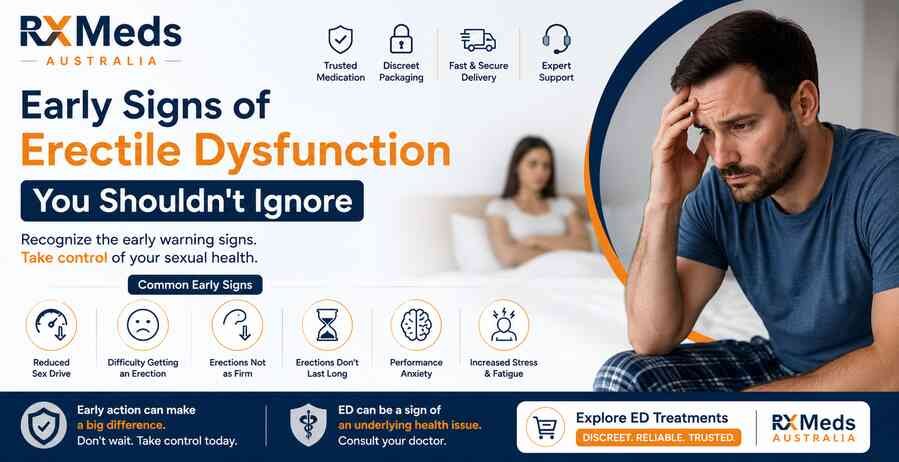
The symptoms of ED usually develop gradually rather than appearing overnight. Identifying these early warning signs can help prevent the condition from worsening.
1. Difficulty Getting an Erection
If you regularly struggle to achieve an erection despite sexual stimulation, it could be an early indication of erectile dysfunction.
2. Trouble Maintaining an Erection
Losing an erection before or during intercourse is another common warning sign that should not be ignored.
3. Reduced Morning Erections
Healthy men often experience spontaneous morning erections. A noticeable decrease in their frequency may indicate problems with blood circulation, hormone levels, or nerve function.
4. Lower Sexual Desire
A decline in libido can accompany ED, especially when caused by hormonal imbalances, stress, anxiety, or depression.
5. Weaker Erections
If erections are less firm than they used to be, reduced blood flow or vascular problems may be developing.
Common Early Symptoms of Erectile Dysfunction
| Symptom | Possible Cause | Should You See a Doctor? |
| Difficulty getting an erection | Poor blood flow, stress | Yes, if persistent |
| Trouble maintaining erection | Diabetes, vascular disease | Yes |
| Reduced morning erections | Hormonal imbalance | Yes |
| Low sex drive | Low testosterone, anxiety | Recommended |
| Weaker erections | Heart disease risk | Yes |
What Causes Erectile Dysfunction?
ED can result from physical, psychological, or lifestyle-related factors.
Physical Causes
- High blood pressure
- Diabetes
- Heart disease
- Obesity
- High cholesterol
- Low testosterone
- Nerve disorders
Psychological Causes
- Stress
- Anxiety
- Depression
- Relationship issues
- Performance anxiety
Lifestyle Factors
- Smoking
- Excessive alcohol use
- Lack of exercise
- Poor diet
- Drug use
- Poor sleep quality
Risk Factors for Erectile Dysfunction
Although ED can affect men of any age, certain risk factors increase the likelihood.
| Risk Factor | How It Affects ED |
| Age over 40 | Blood vessel changes |
| Diabetes | Nerve and blood vessel damage |
| High blood pressure | Reduced blood flow |
| Smoking | Damages arteries |
| Obesity | Hormonal imbalance and poor circulation |
| Chronic stress | Reduces sexual performance |
| Heart disease | Limits blood supply |
When Should You See a Doctor?
Seek medical advice if:
- Symptoms last longer than several weeks.
- ED occurs during most sexual encounters.
- You experience pain during erections.
- You have diabetes, heart disease, or high blood pressure.
- Your symptoms affect your mental health or relationships.
Because erectile dysfunction may be an early warning sign of cardiovascular disease, prompt evaluation is essential.
How Erectile Dysfunction Is Diagnosed
Healthcare providers may perform:
- Medical history review
- Physical examination
- Blood tests
- Testosterone testing
- Blood sugar testing
- Cholesterol screening
- Urine analysis
- Ultrasound of penile blood flow (if necessary)
Treatment Options for Erectile Dysfunction
Treatment depends on the underlying cause.
| Treatment | Best For | Effectiveness |
| Lifestyle changes | Mild ED | High |
| Oral medications | Most men | Very High |
| Testosterone therapy | Low testosterone | Moderate to High |
| Counseling | Anxiety or depression | High |
| Vacuum erection devices | Medication alternative | High |
| Penile implants | Severe ED | Very High |
Lifestyle Changes That May Improve ED
Simple lifestyle improvements often help reduce symptoms.
- Exercise regularly.
- Maintain a healthy weight.
- Quit smoking.
- Limit alcohol consumption.
- Manage diabetes and blood pressure.
- Eat a heart-healthy diet.
- Reduce stress.
- Sleep 7–9 hours nightly.
Can Erectile Dysfunction Be Prevented?
Although not every case is preventable, you can reduce your risk by:
- Staying physically active
- Eating a balanced diet
- Controlling blood sugar and cholesterol
- Avoiding tobacco products
- Limiting alcohol
- Managing stress
- Scheduling regular health checkups
Frequently Asked Questions (FAQ)
1. What is the first sign of erectile dysfunction?
Difficulty achieving or maintaining an erection during sexual activity is usually the earliest sign.
2. Can erectile dysfunction be reversed?
Yes. Many cases improve with lifestyle changes, treatment of underlying conditions, counseling, or medication.
3. Is occasional erectile dysfunction normal?
Yes. Stress, fatigue, or alcohol can occasionally cause erection problems. Persistent symptoms require medical evaluation.
4. Does ED always mean low testosterone?
No. Most cases are related to blood flow, nerve function, or psychological factors rather than low testosterone alone.
5. At what age does ED usually begin?
ED becomes more common after age 40 but can affect younger men due to lifestyle or medical conditions.
6. Can stress cause erectile dysfunction?
Yes. Chronic stress and anxiety can interfere with sexual arousal and erection quality.
7. Is erectile dysfunction a sign of heart disease?
Sometimes. ED can be an early indicator of poor blood circulation and cardiovascular disease.
8. What foods help improve erectile dysfunction?
A heart-healthy diet rich in fruits, vegetables, whole grains, nuts, fish, and healthy fats supports better blood flow.
9. Should I see a doctor for mild ED?
Yes. Even mild, persistent symptoms should be evaluated to identify possible underlying health issues.
10. Can exercise improve erectile dysfunction?
Yes. Regular aerobic exercise improves circulation, heart health, and erectile function in many men.
Conclusion
Early recognition of erectile dysfunction can make a significant difference in treatment and overall health. Symptoms such as difficulty achieving or maintaining an erection, weaker erections, reduced morning erections, and decreased sexual desire should not be ignored.
Because ED can sometimes be associated with conditions such as diabetes, high blood pressure, or heart disease, consulting a qualified healthcare provider can support timely diagnosis and appropriate treatment. Readers can also explore Rxmedsaustralia for additional information about erectile dysfunction treatments and related product options.
With healthy lifestyle choices, appropriate medical care, and evidence-based treatment, many men can successfully manage erectile dysfunction and improve their sexual health and confidence.