Erectile dysfunction (ED) medication can be an effective treatment option for many men, but it does not work in the same way for everyone. If you have tried an ED pill and did not get the result you expected, it can be frustrating and worrying. However, one unsuccessful experience does not necessarily mean that ED treatment will never work for you.
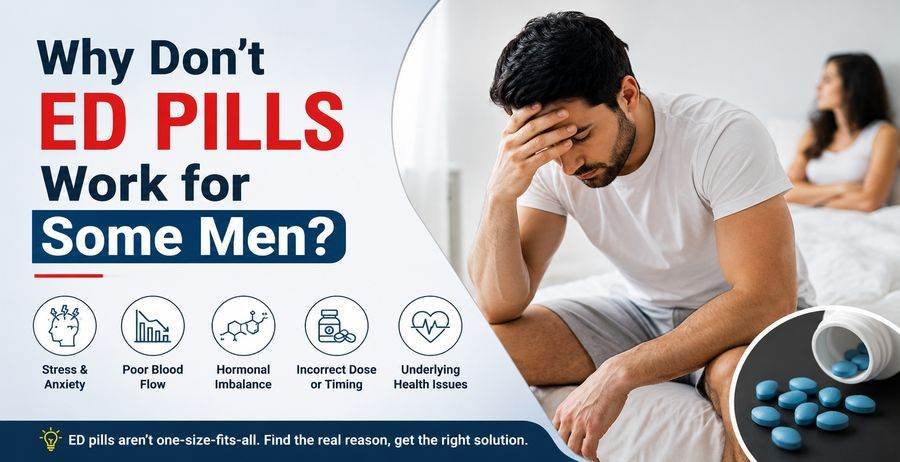
There are many possible reasons why ED pills may not work. The problem may be related to timing, how the medication is taken, sexual stimulation, psychological factors, an underlying health condition or the severity of erectile dysfunction. In some cases, another treatment may simply be more suitable.
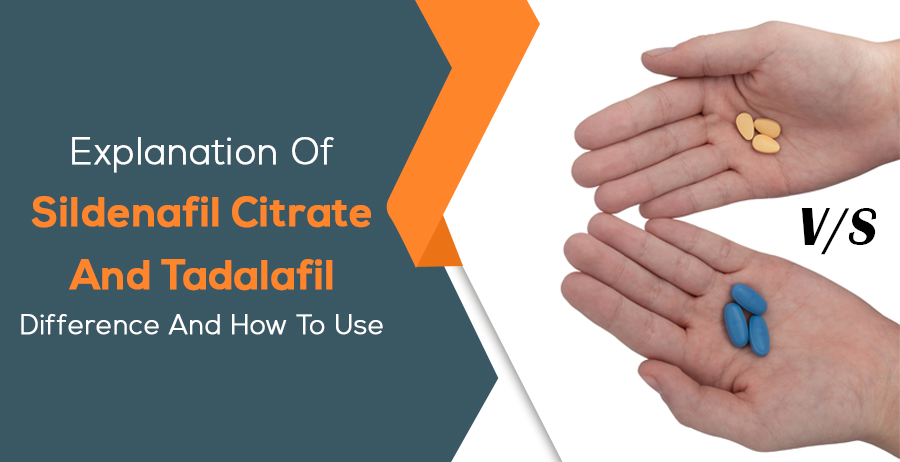
Common oral ED medications include sildenafil and tadalafil, which belong to a group of medicines called phosphodiesterase type 5 (PDE5) inhibitors. These medications help support the natural erectile response by increasing blood flow to the penis during sexual stimulation. They do not automatically create an erection, increase sexual desire or treat every possible cause of erectile dysfunction.
For Australian men experiencing persistent ED, speaking with a GP or qualified healthcare professional is an important step. Erectile dysfunction can sometimes be linked to broader physical or psychological health concerns, and understanding the underlying cause can help guide treatment.
This article explains why ED pills do not work for some men, what may affect their effectiveness and what treatment options may be considered when oral medication is not producing the expected results.
How Do ED Pills Work?
To understand why erectile dysfunction medication sometimes does not work, it is helpful to understand what these medicines are designed to do.
During sexual arousal, signals from the brain and nervous system trigger changes in the blood vessels of the penis. These blood vessels relax, allowing more blood to enter erectile tissue. This increased blood flow helps produce and maintain an erection.
PDE5 inhibitors such as sildenafil and tadalafil support this process. They affect an enzyme involved in regulating blood flow and can help improve the body’s ability to achieve an erection when sexual stimulation occurs.
However, ED pills are not automatic erection-producing medicines.
Sexual stimulation and arousal are still required. The medication works alongside the body’s natural sexual response rather than replacing it completely. This means that factors affecting sexual desire, emotional wellbeing, nerve function or circulation can still influence whether the medication produces the desired result.
This is also why two men can take the same medication and have very different experiences.
1. The ED Medication May Not Be Taken at the Right Time
One of the most common reasons ED pills may not work as expected is incorrect timing.
Different medicines have different onset times and durations. Some are taken before planned sexual activity, while others may be prescribed in a different way depending on the medication and the individual’s circumstances.
If medication is taken too close to sexual activity, there may not be enough time for it to take effect. Some men may also expect the medicine to work at an exact time, but individual response can vary.
It is important to follow the instructions provided by the prescribing doctor or pharmacist. Do not take an additional tablet simply because you believe the first one is taking too long to work.
If timing appears to be a problem, discuss this with a healthcare professional. A different medication or treatment schedule may be more suitable depending on your lifestyle and sexual activity.
2. The Dose May Not Be Suitable
ED medication is not necessarily equally effective at every prescribed dose.
Healthcare professionals consider several factors when determining an appropriate treatment plan, including age, overall health, other medications and the severity of erectile dysfunction.
If a prescribed dose is not producing the expected results, it does not mean you should increase the dose yourself. Taking more medication than prescribed can increase the risk of side effects and may create serious health risks in some individuals.
Instead, speak with the doctor who prescribed the medication. They can assess whether the treatment has been used correctly and whether an adjustment, a different medicine or another treatment approach may be appropriate.
The aim should not be to find the “strongest” ED pill. The goal is to find a treatment that is both safe and suitable for the individual.
3. Sexual Stimulation Is Still Required
A common misconception is that taking Viagra, Cialis or another ED medication should automatically result in an erection.
That is not how these medications work.
PDE5 inhibitors support the physical processes involved in achieving an erection, but sexual stimulation is still necessary. If a person has low sexual desire, is distracted, highly stressed or is not experiencing sufficient arousal, an ED pill may not address the entire issue.
This is why it can be helpful to distinguish between erectile dysfunction and other sexual health concerns.
For example, a person may experience:
- difficulty getting an erection;
- difficulty maintaining an erection;
- reduced sexual desire;
- performance anxiety;
- relationship difficulties; or
- a combination of several factors.
Although these problems can overlap, they may not all respond to the same treatment.
4. Anxiety and Performance Pressure May Affect Results
Erectile dysfunction can have both physical and psychological causes.
Stress, anxiety, depression and relationship concerns may contribute to erectile difficulties. Performance anxiety can be particularly significant. A man who has experienced erectile difficulties may become increasingly concerned that it will happen again.
This can create a cycle.
An initial episode of ED may lead to worry. That worry can increase pressure during future sexual activity. Increased anxiety may then interfere with arousal and make an erection more difficult to achieve or maintain.
Even if an ED pill is physically improving blood flow, psychological pressure can still affect the overall sexual response.
For some men, the thought of whether the medication will work can become part of the problem.
When anxiety, stress or relationship issues are contributing factors, counselling, psychological support or sex therapy may be considered. Addressing both the physical and psychological aspects of erectile dysfunction may provide a more complete treatment approach.
5. An Underlying Health Condition May Be Affecting Erectile Function
Erectile dysfunction is sometimes associated with underlying health conditions.
An erection depends on healthy blood vessels, nerves and other body systems functioning together. Conditions that affect circulation or nerve function can therefore contribute to ED.
Potential contributing conditions may include:
- diabetes;
- cardiovascular disease;
- high blood pressure;
- obesity;
- neurological conditions;
- hormonal problems; and
- other chronic health conditions.
This does not mean that every man with ED has a serious medical condition. However, persistent erectile dysfunction should not always be viewed simply as a sexual performance issue.
For some men, ED may be one sign that a broader health assessment is worthwhile.
A GP may consider your medical history, lifestyle, current medications and other symptoms. Depending on the circumstances, further assessment or referral to a specialist may be appropriate.
If an underlying health condition is contributing to erectile dysfunction, ED medication alone may not fully address the problem.
6. Diabetes Can Make Erectile Dysfunction More Complex
Diabetes is one example of a condition that can affect erectile function.
Over time, high blood glucose levels may contribute to damage affecting blood vessels and nerves. Since both are important for achieving and maintaining an erection, some men with diabetes may experience erectile dysfunction.
The severity and duration of diabetes, blood glucose management and the presence of other health conditions may all influence sexual function.
For men with diabetes, managing overall health remains important. A healthcare professional may consider erectile dysfunction as part of a broader treatment plan rather than treating the symptom in isolation.
Some men with diabetes may respond well to oral ED medication, while others may require additional or alternative treatments.
7. Cardiovascular and Blood Flow Problems May Play a Role
Healthy blood circulation is essential for erectile function.
Conditions that affect blood vessels may reduce the amount of blood that can flow into the penis. This can make it more difficult to achieve or maintain an erection.
High blood pressure, cardiovascular disease, smoking, obesity and other factors affecting vascular health may contribute to erectile dysfunction.
Because of this connection, persistent ED may be a reason to discuss cardiovascular health with a doctor.
Treating erectile dysfunction is not only about improving sexual performance. In some situations, identifying and managing underlying health factors may also be an important part of the overall approach.
Lifestyle measures such as regular physical activity, maintaining a healthy weight and avoiding smoking may support general cardiovascular health as well as erectile function.
8. Low Testosterone or Other Hormonal Factors May Be Involved
Hormones can influence sexual health, but low testosterone is not the explanation for every case of erectile dysfunction.
Testosterone plays a role in sexual desire and other aspects of male health. A hormonal problem may affect libido, energy levels and sexual function.
If a person has symptoms suggesting a hormonal issue, a doctor may recommend appropriate testing.
However, it is important not to assume that testosterone treatment is automatically the solution when ED medication does not work.
Erectile dysfunction can have multiple causes. Some men with low testosterone may have additional vascular, psychological or neurological factors affecting their sexual function.
Treatment should therefore be based on an appropriate medical assessment rather than self-diagnosis or the use of unregulated hormone products.
9. Alcohol and Lifestyle Factors Can Affect Sexual Performance
Lifestyle factors can influence erectile function.
Alcohol may affect sexual performance, particularly when consumed in large amounts. Excessive alcohol use can interfere with the nervous system, blood flow and sexual response.
Smoking can also affect blood vessels and circulation, which may contribute to erectile difficulties.
Other factors that may influence overall erectile health include:
- physical inactivity;
- excess body weight;
- poor sleep;
- chronic stress; and
- unmanaged health conditions.
Lifestyle changes are not an instant replacement for medical treatment, but improving general health may support erectile function over time.
Regular exercise, healthy eating, stress management and addressing smoking or excessive alcohol use can be valuable components of a broader approach to sexual health.
10. Other Medications May Affect Erectile Function
Some medications can contribute to sexual side effects or affect erectile function.
This is one reason why your doctor should know about all medicines you take, including prescription medication, over-the-counter products and supplements.
Do not stop another prescribed medication because you believe it may be causing ED. Suddenly stopping some medicines can create additional health risks.
A doctor can review your medication history and determine whether a particular treatment may be contributing to erectile difficulties. If appropriate, they may discuss alternative options.
Medication interactions are also important when using ED medicines.
Certain heart medications, including nitrates, can interact dangerously with PDE5 inhibitors. This is why ED medication should only be used following appropriate medical advice.
11. The Erectile Dysfunction May Be More Severe
Not all cases of erectile dysfunction are the same.
Some men experience occasional difficulties related to stress, fatigue or temporary circumstances. Others experience persistent or more severe erectile dysfunction.
The severity and underlying cause of ED can influence how well oral medication works.
For example, a man whose erectile difficulties are mainly associated with temporary performance anxiety may have a different treatment response from someone whose ED is linked to significant vascular or neurological damage.
If oral ED medication is not effective, it does not necessarily mean treatment has failed. It may simply mean that another approach needs to be considered.
A healthcare professional can assess whether further investigation or a specialist referral is appropriate.
What Should You Do If Viagra or Cialis Is Not Working?
If sildenafil, tadalafil or another prescribed ED medication does not work as expected, the first step is to avoid changing the treatment on your own.
Do not:
- take more than the prescribed amount;
- combine multiple ED medications without medical advice;
- use medicines purchased from unverified sources; or
- stop other prescribed medication without consulting a doctor.
Instead, speak with the healthcare professional who prescribed the medication.
They may review several factors, including:
- whether the medicine was taken as directed;
- whether the timing was appropriate;
- whether sufficient sexual stimulation was present;
- whether another medication may be affecting results;
- whether an underlying health condition is involved; and
- whether another ED treatment may be more suitable.
Sometimes a treatment adjustment may help. In other cases, further investigation may identify a physical or psychological factor that requires additional support.
Alternatives When ED Pills Do Not Work
Oral medication is only one approach to treating erectile dysfunction.
Depending on the cause of ED and the individual’s health, other treatment options may be considered.
Counselling and Sex Therapy
Counselling may be particularly useful when stress, anxiety, relationship concerns or performance pressure are contributing to erectile difficulties.
Psychological therapy does not mean that the problem is “all in your head”. Physical and psychological factors often interact.
A man may have an initial physical cause of ED but later develop anxiety about sexual performance, which can continue to affect the problem.
Addressing psychological wellbeing may therefore be an important part of treatment.
Lifestyle Changes
Improving overall health may support erectile function.
Depending on individual circumstances, this may include:
- exercising regularly;
- maintaining a healthy body weight;
- stopping smoking;
- reducing excessive alcohol consumption;
- managing stress;
- improving sleep; and
- managing conditions such as diabetes or high blood pressure.
Lifestyle changes may also support cardiovascular health and general wellbeing.
Injectable Treatments
Some men who do not respond adequately to oral medication may be offered other medical treatments, including injectable therapies.
These treatments should only be used following medical assessment and appropriate instruction.
A healthcare professional can explain how the treatment works, whether it is suitable and what potential risks or side effects should be considered.
Vacuum Erection Devices
A vacuum erection device is another option that may be considered.
These devices use negative pressure to draw blood into the penis and may be used with a constriction ring to help maintain the erection.
For some men, a vacuum device may be an alternative when oral medication is ineffective or unsuitable.
Specialist Treatments
For severe or persistent erectile dysfunction, a urologist may discuss more advanced treatment options.
In selected cases, this may include surgical options such as a penile implant.
These treatments are generally considered after an appropriate assessment and discussion of the potential benefits and risks.
Why a Personalised Treatment Plan Matters
There is no single ED treatment that works perfectly for every man.
Erectile function depends on a combination of physical, neurological, hormonal and psychological factors.
Two men may experience erectile dysfunction for completely different reasons.
One may be affected primarily by anxiety and stress. Another may have diabetes-related nerve or blood vessel damage. A third may have a combination of cardiovascular risk factors and medication-related effects.
This is why personalised assessment is important.
A treatment that works well for one person may not be the most effective or safest option for another.
Rather than repeatedly experimenting with different tablets or doses, identifying the possible cause of ED can help guide a more appropriate treatment strategy.
Be Careful When Buying ED Medication Online
The availability of ED medication online has made it easier for some people to access treatment, but caution is important.
In Australia, medicines used to treat erectile dysfunction should be obtained through legitimate healthcare and pharmacy channels.
Products sold through unverified websites may not contain the ingredients listed on the label. They may contain incorrect doses or undisclosed substances that could interact with other medications.
This can be particularly dangerous for people with heart conditions or those taking medications that interact with PDE5 inhibitors.
Before starting an ED medicine, it is important to provide accurate information about your medical history and current medications.
Online healthcare services may be appropriate when they operate legitimately and provide appropriate clinical assessment, but avoid websites that offer prescription medication without meaningful health screening.
When Should You See a Doctor About Erectile Dysfunction?
Occasional erection difficulties can happen to many men and may be related to temporary factors such as stress, tiredness or alcohol.
However, persistent erectile dysfunction should be discussed with a GP or qualified healthcare professional.
Consider seeking medical advice if erectile difficulties:
occur regularly;
are becoming more frequent;
affect your confidence or relationship;
do not improve with prescribed treatment;
occur alongside other health symptoms; or
cause ongoing concern.
A doctor can assess possible physical and psychological contributors and recommend an appropriate treatment approach.
Urgent medical attention may be required if you experience serious symptoms after taking ED medication, such as a prolonged or painful erection, severe chest symptoms, fainting, or sudden changes to vision or hearing.
Final Thoughts
If ED pills are not working, it does not necessarily mean that erectile dysfunction cannot be treated.
There are many possible reasons why medications such as sildenafil or tadalafil may not produce the expected results. Timing, dosage, sexual stimulation, anxiety, underlying health conditions, other medications and the severity of erectile dysfunction can all play a role.
The most important step is to avoid self-adjusting your medication or purchasing unregulated products. Instead, speak with a qualified healthcare professional who can help identify possible causes and recommend an appropriate treatment plan.
For Australian men, a GP can be a useful starting point for discussing persistent erectile difficulties. Depending on the underlying cause, treatment may involve medication adjustments, lifestyle changes, psychological support or referral to a specialist.
ED is a common health concern, and there is no one-size-fits-all solution. When one treatment does not work, a proper assessment can help identify other options and provide a clearer path forward.
FAQ
Why don’t ED pills work for some men?
ED pills may not work because of incorrect timing, insufficient sexual stimulation, an unsuitable dose, anxiety, underlying health conditions, medication interactions or severe erectile dysfunction. Some men may need a different treatment approach.
Why is Viagra not working for me?
Sildenafil may not work as expected for several reasons. Timing, the underlying cause of erectile dysfunction, psychological factors and individual response can all influence results. Speak with your doctor rather than increasing the dose yourself.
Why does Cialis not work for everyone?
Tadalafil supports the natural erectile response but does not treat every possible cause of erectile dysfunction. Underlying health conditions, anxiety, sexual stimulation and individual response can all affect how well it works.
Can anxiety stop ED medication from working?
Anxiety can interfere with sexual arousal and contribute to erectile difficulties. Even when medication improves blood flow, performance pressure or psychological stress may still affect sexual response.
Can low testosterone make ED medication less effective?
Hormonal factors may contribute to sexual health problems in some men. However, low testosterone is not the cause of every case of ED. A doctor can determine whether hormonal testing is appropriate.
What should I do if ED pills do not work?
Speak with your GP or prescribing healthcare professional. Do not increase the dose or combine ED medications without medical advice. Your doctor may review how the medication is being used, assess underlying causes and discuss alternative treatment options.
Are there alternatives to Viagra and Cialis?
Yes. Depending on the cause of ED, treatment options may include counselling, lifestyle changes, vacuum erection devices, injectable treatments and specialist procedures.