
Antibiotics
What are antibiotics?
Antibiotics refer to a type of medicine, one that helps fight off the harmful bacteria within our body. As you can expect, a doctor recommends such medicines when a harmful bacterium causes an infection or a disease infects your body.
While some forms (e.g., those found inside your body in your digestive tract or skin) have a positive impact on your health, others cause you harm depending on the degree of infection they cause.
This is the reason why antibiotics are vital in our lives because they are capable of making us feel better and saving our life. However, when it comes to antibiotics, there is such a thing as too much of a good thing. This information will allow you to become aware of what happens within your body.
How do antibiotics work?
Some antibiotics work by breaking down their cell wall, which makes them prone to the hostile conditions. A few others work to stop their DNA reproduction process. Antibiotics inhibit the multiplication of bacteria through the elimination of proteins required for reproduction.
Proper antibiotic use:
Take your antibiotics in accordance with the instructions from your provider. Your provider will give you the total number of days that you are supposed to take the antibiotics. The provider will also inform you how many times per day you are supposed to take them.
Feel free to ask about anything confusing things. Do not try to hold back on the use of antibiotics for later use. This practice is very unsafe and will not benefit you in the future at all.
What conditions do antibiotics treat?
Antibiotics are effective for many diseases that can affect different body parts including organs within the body and the external layer of your skin. Some of these diseases include the following.
Skin and soft tissue infections
- Cellulitis
- Gas Gangrene
- Impetigo
- Animal or human bite infections
- Necrotizing fasciitis
- Staph Infection
Throat and respiratory tract infections.
- Pneumonia
- Strep Throat
- Pertussis
Urinary tract and the reproductive infections
- Vaginosis
- STDs
- UTIs
Other infections
- Conjunctivitis
- Orbital cellulitis
- Other diseases
- Anthrax
- Endocarditis
- Lyme disease
- Septicaemia
What forms do antibiotics come in?
Some common types of antibiotics include:
Oral antibiotics
These are antibiotics that can be taken orally. They can come in tablet form as well as liquid form.
Topical antibiotics
This medicine is applied to the external body. For instance, you can rub a cream or an ointment containing the antibiotic on your skin. Alternatively, you can install the antibiotic drops in your eyes or ears.
Injectable and intravenous antibiotics (IV)
These medications are administered by means of a shot in your muscle or through your veins. Such forms are usually used for more severe infections.
Antibiotic types
Prophylactic antibiotics
These types of antibiotics do not treat but they are for preventive purposes. A doctor can recommend prophylactic antibiotics in the following cases-
- Include undergoing specific surgical and procedural treatments, including dental treatments.
- Have a medical condition that increases the risk of infection.
- An injury or an insect or animal bite which can get infected.
Broad-spectrum antibiotics
As the name suggests, their actions are applicable on a wide variety of bacteria. Some examples of broad-spectrum antibiotics are-
- Quinolones
- Tetracyclines
Such drugs are effective in cases where one does not know what type of bacteria causes’ illness.
However, the misuse of these drugs leads to the formation of bacteria that resist antibiotics. The bacteria do not react to the drugs as anticipated, and they are very difficult to treat. This is because they are like a difficult stain on your carpet, which refuses to disappear despite the variety of stain removers you apply on it.
Benefits of using antibiotics
Here are some of the benefits that antibiotics offer you-
- Effectively eliminate bacterial infections in your body
- Help you feel relieved from your symptoms and improve your condition.
- Increase your speed of recovery.
- Prevent you from infecting other people.
- Protect you against developing a severe disease.
- Save your life.
What are the possible side effects of antibiotics?
The possible side effects that occur commonly with the use of antibiotics include:
- Diarrhea
- Nausea and vomiting
- Dizziness
- Rash
- Yeast infections
Drug interactions
Certain antibiotics have the potential to interact with other medicines. It implies that combining antibiotics along with other medications might lead to some adverse reactions or unintended outcomes.
The interaction may occur when taking antibiotics along with other various types of medicines including those for treating cardiovascular diseases and digestive problems like indigestion and pain. Some of the medicines that interact with antibiotics include:
- Warfarin
- Beta-blockers
- Antacids
- NSAIDs
Most antibiotics will not interfere with contraception (oral contraceptive pills). However, a few exceptions with those are used in the treatment of tuberculosis and meningitis.
Always inform your healthcare provider about any drugs that you are using (prescribed and over the counter) before they give you antibiotics.
You should also mention anything else you are taking in terms of herbs or vitamins. This is necessary so your doctor can give you a proper antibiotic without causing any harm.
FAQs
How fast can I start to feel better?
This would depend on what kind of infection you have. For most common types of infection such as bladder infection and strep throat, you will begin feeling much better a few days after you started taking your antibiotics. Your provider can give you a clear idea of what to expect.
Is it safe to take probiotic food when taking an antibiotic?
Yes, a doctor may actually specify you to take probiotic food items or recommend a probiotic supplement.
What are the reasons to contact the healthcare provider?
The reason when you may need to contact your doctor are any severe side effect, allergic tendency or for changing your dose.
Can anyone be allergic to antibiotic use?
Yes, it is possible that people can be allergic to a specific group of antibiotics. Use of those antibiotics in such cases can lead to rashes, hives, or difficulty breathing which are the initial allergic symptoms.
Should I take an antibiotic if I have a sinus infection?
In most of the cases, virus not bacteria cause an infection affecting your sinus. Thus, use of an antibiotic will completely fail to recover the condition in such cases.
Is a strep throat the right reason for using an antibiotic?
Yes, bacteria cause a strep throat and thus a right type of antibiotic is the most suitable drug to treat the condition. Remember that if you leave the condition untreated it can get very severe with complications.
Do I need antibiotics for UTI?
Yes, you definitely will need antibiotics to treat your UTI. However, in rare cases, you can have a mild UTI that will be treated by itself without any help from medications. However, it is recommended to consult with a doctor anyway.
Showing all 12 results
-

Amoxicillin Syrup Australia
Price range: AUD 7.03 through AUD 28.12 Add to Cart This product has multiple variants. The options may be chosen on the product page -
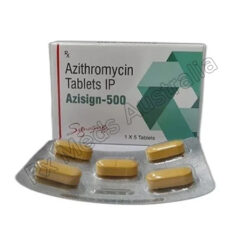
Azisign 500 Mg
Price range: AUD 57.79 through AUD 164.24 Add to Cart This product has multiple variants. The options may be chosen on the product page -
Azithromycin Eye Drop Australia
Price range: AUD 5.63 through AUD 28.17 Add to Cart This product has multiple variants. The options may be chosen on the product page -
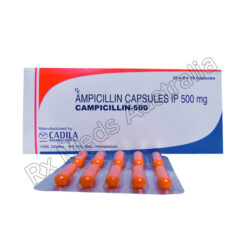
Campicillin 500 Mg
Price range: AUD 34.42 through AUD 78.37 Add to Cart This product has multiple variants. The options may be chosen on the product page -
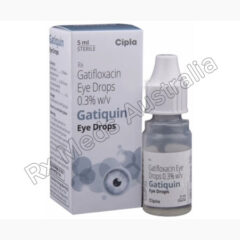
Gatiquin Eye Drop
Price range: AUD 21.11 through AUD 74.58 Add to Cart This product has multiple variants. The options may be chosen on the product page -
Ofloxacin 200 Mg Australia
Price range: AUD 31.63 through AUD 56.24 Add to Cart This product has multiple variants. The options may be chosen on the product page -
Ofloxacin Eye Drop Australia
Price range: AUD 2.11 through AUD 10.54 Add to Cart This product has multiple variants. The options may be chosen on the product page -
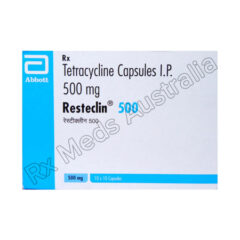
Resteclin 500 Mg
Price range: AUD 17.17 through AUD 24.32 Add to Cart This product has multiple variants. The options may be chosen on the product page -
Sultamicillin Tosilate 375 mg Australia
Price range: AUD 63.15 through AUD 161.38 Add to Cart This product has multiple variants. The options may be chosen on the product page -
Sultamicillin Tosilate 750 mg Australia
Price range: AUD 72.97 through AUD 203.48 Add to Cart This product has multiple variants. The options may be chosen on the product page -
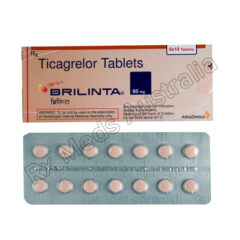
Ticagrelor 60 Mg
Price range: AUD 30.00 through AUD 82.00 Add to Cart This product has multiple variants. The options may be chosen on the product page -

Tigi 50 Mg
Price range: AUD 25.00 through AUD 117.00 Add to Cart This product has multiple variants. The options may be chosen on the product page