
You take your ED medicine, wait for it to work, and expect a straightforward result.
But then something confusing happens.
One time, it seems to work well. Another time, the effect feels weaker. Sometimes you may get an erection but struggle to maintain it. On another occasion, nothing seems to happen at all.
Naturally, you may start wondering:
“Is the medicine not working anymore?”
Not necessarily.
The results of erectile dysfunction (ED) medicines can vary from one person to another—and sometimes even from one occasion to another in the same person.
That doesn’t automatically mean the medication has failed.
Factors such as timing, sexual stimulation, food, alcohol, dose, underlying health conditions, stress, other medicines and the specific ED medicine being used can all affect the experience.
In Australia, commonly prescribed oral ED medicines include sildenafil, tadalafil, vardenafil and avanafil. These medicines belong to a group called PDE5 inhibitors and work by increasing blood flow to the penis when sexual stimulation is present.
So if you’ve ever thought, “Why did my ED medicine work differently this time?”, there may be a very practical explanation.
Let’s look at the factors that can make a difference.
Why Can ED Medicine Results Vary?
ED medicine results can vary because erectile dysfunction has different causes, and the way a medicine is taken and how your body responds can also differ.
PDE5 inhibitors don’t create an automatic erection.
They help the body’s natural erection process by improving blood flow to the penis. Sexual stimulation is still required.
That means the outcome depends on more than simply swallowing a tablet.
Your response can be influenced by:
- The underlying cause of your ED
- The particular medication you’re taking
- Dose and timing
- Food, particularly a large or high-fat meal for some medicines
- Sexual stimulation
- Alcohol
- Stress or performance anxiety
- Diabetes and cardiovascular health
- Other medicines
- Hormonal problems
- How consistently and correctly the medicine is being used
The European Association of Urology specifically recommends checking factors such as correct prescribing, correct use, timing, dose, sexual stimulation and food when someone appears not to respond to a PDE5 inhibitor.
How Do ED Medicines Actually Work?
Before discussing why results vary, it helps to understand what these medicines are designed to do.
An erection involves a complex interaction between the brain, nerves, hormones, blood vessels and penile tissue.
During sexual stimulation, nerve signals help trigger the release of nitric oxide.
Nitric oxide contributes to a signalling pathway that relaxes smooth muscle in the penis, allowing blood to flow into erectile tissue.
An enzyme called PDE5 can break down part of this signalling pathway.
PDE5 inhibitors reduce the action of this enzyme.
The result is increased blood flow when sexual stimulation is present.
This is why medicines such as sildenafil and tadalafil don’t simply cause an erection on their own.
For example, healthdirect explains that PDE5 inhibitors only help produce an erection when sexual stimulation occurs.
In simple terms:
Sexual stimulation → nitric oxide signalling → blood vessel relaxation → increased penile blood flow → erection
PDE5 inhibitor → helps support this process
This distinction is important because taking the tablet and simply waiting for an automatic erection isn’t how these medicines are intended to work.
9 Reasons ED Medicine Results Can Vary
1. You May Be Taking It at the Wrong Time
Timing is one of the simplest explanations for an apparently weak response.
Different ED medicines have different pharmacological profiles.
For example, healthdirect states that sildenafil generally starts working in around 30 to 60 minutes, and recommends taking it about an hour before planned sexual activity. Its effects can last for up to about four hours.
Tadalafil, when used as needed, is generally taken 30 to 60 minutes before sexual activity, while its longer duration means its window of effect is different from sildenafil.
So taking an ED medicine too close to sexual activity—or expecting it to work immediately—may lead you to believe it’s ineffective when the timing simply wasn’t ideal.
Timing should always follow the instructions provided by your doctor and the medicine’s Consumer Medicine Information.
2. Food Can Affect Some ED Medicines
This is another factor people often overlook.
A large meal can affect how quickly some medicines are absorbed.
For example, healthdirect notes that sildenafil may take longer to work when taken after a full stomach.
The European Association of Urology also notes that absorption of sildenafil, vardenafil and avanafil can be delayed by high-fat meals.
This doesn’t mean you can never eat before taking an ED medicine.
It means the timing and type of meal can matter for some medicines.
Tadalafil has a different food profile and can be taken with or without food according to healthdirect.
Simple comparison
| Factor | Sildenafil | Tadalafil | Why it matters |
|---|---|---|---|
| Typical onset | About 30–60 minutes | About 30–60 minutes when used as needed | Timing affects expectations |
| Food | Large meals may delay effect | Can be taken with or without food | Absorption differs |
| Duration | Up to about 4 hours | Much longer window | Medicines have different profiles |
| Sexual stimulation | Required | Required | Neither automatically causes an erection |
| Prescription in Australia | Yes | Yes | Medical assessment is required |
Always follow your prescribed instructions rather than using a general timing table as personal dosing advice.
3. Sexual Stimulation Still Matters
This is perhaps one of the biggest misunderstandings about ED tablets.
You take the medicine.
You wait.
Nothing happens.
So you conclude that it doesn’t work.
But PDE5 inhibitors do not produce an erection without sexual stimulation.
They support the body’s natural erection response.
Healthdirect specifically explains that ED medicines increase blood flow but require sexual stimulation to help produce an erection.
This means your level of arousal, the sexual situation and your psychological state can influence the experience.
The medicine isn’t designed to create sexual desire.
In fact, healthdirect notes that ED medicines don’t increase libido.
4. Stress and Performance Anxiety Can Get in the Way
ED isn’t always purely physical.
Psychological factors can contribute to erectile difficulties or make existing ED worse.
Stress, anxiety, relationship difficulties and concerns about sexual performance can all influence sexual function.
Imagine taking your medicine while thinking:
“What if it doesn’t work this time?”
That thought alone can increase pressure and distract you from sexual stimulation.
This doesn’t mean the problem is “all in your head”.
Physical and psychological factors often overlap.
Healthdirect notes that ED can have both physical and psychological causes and that counselling or sex therapy may be useful when psychological factors are involved.
5. Your Underlying Health Can Affect the Response
ED can be a symptom of an underlying health condition.
Conditions associated with erectile dysfunction include:
- Diabetes
- Cardiovascular disease
- High blood pressure
- High cholesterol
- Obesity
- Hormonal problems
- Certain neurological conditions
- Some prostate-related conditions
This matters because treating the symptom without addressing the underlying health issue may not provide the result you expect.
Healthdirect notes that persistent ED can sometimes be associated with broader health problems and recommends speaking with a doctor if erection problems continue.
For example, someone with diabetes may have blood-vessel or nerve changes that contribute to ED.
Another person may have significant anxiety.
Someone else may have hormonal issues.
The same tablet won’t necessarily produce the same experience in all three people.
6. The Dose May Not Be Right for You
ED medicines come in different strengths.
But more is not automatically better.
Taking extra tablets without medical advice can increase the risk of side effects and potentially dangerous interactions.
If sildenafil isn’t providing the expected benefit, healthdirect recommends discussing the issue with a doctor, who can consider whether the dose or another treatment option is appropriate.
If you feel that your medication isn’t working adequately, don’t simply take another tablet because you think the first one was too weak.
Talk to your doctor or pharmacist instead.
7. Other Medicines Can Affect Safety and Response
This is one of the most important sections of the article.
PDE5 inhibitors can interact with other medicines.
The biggest safety concern is nitrates.
Nitrates are commonly used to treat chest pain such as angina.
Taking a PDE5 inhibitor with nitrates can cause a dangerous drop in blood pressure.
Healthdirect specifically advises people not to use PDE5 inhibitors with nitrates and to tell their doctor about all medicines, including chest-pain sprays or tablets.
Other medicines may also require consideration, including certain blood-pressure medicines and medicines used for other conditions.
That’s why your doctor or pharmacist needs to know what you’re taking—including prescription medicines, over-the-counter products, vitamins and supplements.
Never assume a “natural” supplement is automatically safe.
In June 2026, Australia’s Therapeutic Goods Administration (TGA) warned that several sexual-enhancement products marketed as dietary or natural supplements were found to contain undeclared prescription substances including sildenafil and tadalafil. These products were not included in the Australian Register of Therapeutic Goods and had not been assessed by the TGA for quality, safety or efficacy.
8. Alcohol Can Make the Situation More Difficult
Alcohol can affect sexual performance even without ED.
It can reduce sexual responsiveness and make it harder to achieve or maintain an erection.
Health guidance for sildenafil also advises avoiding excessive alcohol because it can make getting an erection more difficult.
So if you take your ED medicine after a night of heavy drinking and the result isn’t what you expected, the medicine may not necessarily be the only factor involved.
9. Your Type of ED Matters
“Erectile dysfunction” isn’t one single condition.
Different people can have different underlying mechanisms.
For one person, reduced blood flow may be a major contributor.
For another, nerve damage associated with diabetes may be important.
For someone else, psychological factors may play a major role.
Some men may also have hormonal problems.
This is why a medical assessment matters.
Healthdirect notes that if ED is related to a hormonal problem such as low testosterone, treating the underlying problem may be recommended before or alongside other ED treatment.
Why Sildenafil and Tadalafil May Feel Different
People sometimes compare sildenafil and tadalafil as though one should produce the same experience as the other.
But they’re different medicines with different pharmacological profiles.
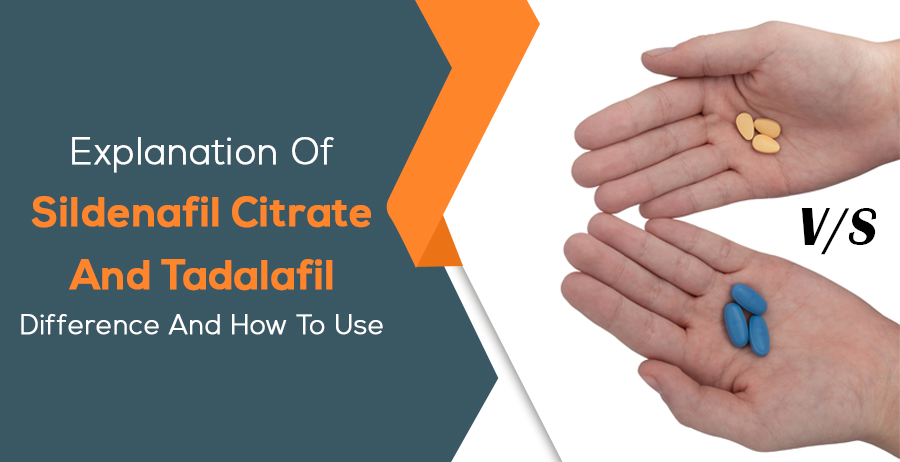
Sildenafil (Viagra) generally starts working within around 30 to 60 minutes and can have an effect for up to about four hours. A full stomach may delay its effect.
Tadalafil (Cialis) can also be taken around 30 to 60 minutes before planned sexual activity when used as needed, but it has a substantially longer window of effect. It can also be prescribed as a daily treatment in appropriate patients.
That doesn’t mean one is universally better.
It means they may suit different people and circumstances.
Your doctor can consider factors such as:
- How often you have sex
- Whether you prefer planned or more spontaneous sexual activity
- Your other health conditions
- Other medicines you take
- Potential side effects
- How you respond to treatment
What If Your ED Medicine Isn’t Working?
Don’t immediately assume that you need a stronger tablet.
First, look at the bigger picture with your doctor.
The European Association of Urology recommends checking several potential causes of an apparent poor response, including whether the medicine was prescribed appropriately, whether it is being used correctly, timing, dose, sexual stimulation and food.
Your doctor may also consider whether another health problem is contributing to ED.
Depending on the situation, treatment may involve:
- Adjusting the prescribed treatment
- Trying another PDE5 inhibitor
- Addressing an underlying medical condition
- Managing psychological factors
- Lifestyle changes
- Counselling or sex therapy
- Vacuum erection devices
- Other medical treatments
Healthdirect lists lifestyle changes, counselling, injections and medical devices among possible alternatives when PDE5 inhibitors aren’t suitable or effective.
The right approach depends on the individual.
Don’t Keep Increasing the Dose Yourself
This deserves a separate warning because it can happen when someone becomes frustrated.
You take a tablet.
It doesn’t seem to work.
You think:
“Maybe I need twice as much.”
That’s not a safe way to manage ED medication.
PDE5 inhibitors can cause side effects such as:
- Headache
- Flushing
- Nasal congestion
- Indigestion
- Dizziness
- Vision changes
More serious problems can occur, including priapism—a prolonged, painful erection—and sudden hearing loss.
If you’ve been prescribed an ED medicine and it isn’t giving you the expected result, speak with your doctor or pharmacist rather than changing the dose yourself.
What Can Improve Your Overall ED Treatment Response?
Medication is only one part of the picture.
Because ED can be associated with cardiovascular and metabolic health, lifestyle changes may also be useful.
Healthdirect recommends measures such as:
- Regular exercise
- Maintaining a healthy weight
- Managing stress
- Quitting smoking
when addressing ED and overall health.
These habits aren’t an instant replacement for prescribed treatment.
But they can support the underlying systems involved in sexual and cardiovascular health.
| Lifestyle factor | Why it matters | Practical approach |
|---|---|---|
| Exercise | Supports cardiovascular and vascular health | Walk, cycle or exercise regularly |
| Healthy weight | Can support metabolic health | Focus on sustainable habits |
| Smoking cessation | Supports vascular health | Seek professional quit support |
| Stress management | May help when psychological factors contribute | Relaxation, counselling or therapy |
| Sleep | Supports general metabolic and mental health | Maintain a consistent sleep routine |
When Should You See a Doctor About ED?
Occasional erection difficulties can happen.
But if the problem keeps happening, it’s worth getting checked.
You should speak with a GP if:
- ED is happening repeatedly
- Your medication isn’t working as expected
- You have diabetes
- You have high blood pressure or cholesterol
- You have cardiovascular disease
- You’re taking nitrates or other regular medicines
- You’re experiencing medication side effects
- You have a sudden change in erectile function
- You’re worried about the problem
ED can sometimes be an early sign of an underlying health issue, so a medical assessment can be useful rather than simply trying different products yourself.
For Australians, a GP can assess your symptoms, medical history and medications and determine whether ED treatment is appropriate.
Be Careful With ED Medicines Bought Online
Searching online for ED medicine may seem convenient.
But this is an area where convenience can create real risks.
In Australia, ED medicines such as sildenafil and tadalafil are prescription medicines.
Healthdirect warns that medicines purchased online without a prescription may be poor quality, counterfeit or contain ingredients that aren’t safe with your other medicines or health conditions.
The TGA’s 2026 warning makes this particularly relevant: laboratory testing found undeclared prescription medicines in several sexual-enhancement products marketed as supplements or natural formulas.
If you’re considering ED treatment, use a legitimate Australian healthcare pathway and pharmacy.
Quick Summary: What Can Change Your Response?
| Factor | How it can matter | What to remember |
|---|---|---|
| Timing | Taking the medicine too early or late may affect the experience | Follow your prescribed instructions |
| Food | Some medicines can be absorbed more slowly after a high-fat meal | Check your medicine’s instructions |
| Sexual stimulation | PDE5 inhibitors don’t create an erection by themselves | Sexual stimulation is required |
| Health conditions | Diabetes, cardiovascular disease and other conditions can contribute to ED | Treat the underlying issue too |
| Stress | Anxiety and performance pressure can affect sexual function | Psychological factors can matter |
| Other medicines | Some combinations can be unsafe | Tell your doctor/pharmacist everything you take |
| Alcohol | Heavy drinking can make erections more difficult | Avoid excessive alcohol |
| Dose | Too little may be ineffective; too much can increase risk | Never increase it yourself |
Final Takeaway
If your ED medicine works brilliantly one time and seems disappointing the next, it doesn’t automatically mean that the medication has stopped working.
ED treatment response can change because the circumstances around the medicine can change.
Timing, food, sexual stimulation, stress, alcohol, underlying health conditions, other medicines and the specific PDE5 inhibitor you’re taking can all play a role.
The important thing is not to judge an ED medicine based on one experience or to respond by taking more than prescribed.
If you’re regularly having problems getting or keeping an erection, talk with a GP. In Australia, ED medicines are prescription medicines, and a healthcare professional can check whether the treatment is appropriate, review possible causes and make sure there are no dangerous medication interactions.
And remember: ED is often treatable, but finding the right approach starts with understanding why it’s happening in the first place.
FAQ
Why can ED medicine results vary?
ED medicine results can vary because of timing, food, sexual stimulation, dose, underlying health conditions, stress, alcohol and other medicines. Individual response also differs.
Why do ED pills work sometimes but not every time?
The circumstances can be different each time. Timing, sexual stimulation, stress, food, alcohol and your physical health can all influence the response.
Why is my ED medicine not working?
Possible reasons include incorrect timing or use, insufficient sexual stimulation, food effects, an underlying health condition, medication interactions or an unsuitable treatment approach. A doctor can assess the cause.
Does food affect ED medicine?
It can. A large or high-fat meal may delay absorption of sildenafil, vardenafil and avanafil. Sildenafil may also take longer to work after a full stomach.
How long does ED medicine take to work?
It depends on the medicine. Sildenafil generally starts working in around 30 to 60 minutes, while as-needed tadalafil is also generally taken 30 to 60 minutes before sexual activity.
Does stress affect ED medication?
Stress and performance anxiety can affect sexual function and may contribute to ED. This can make it seem as though the medicine is less effective.
Can diabetes affect ED treatment?
Yes. Diabetes can contribute to ED through effects on blood vessels and nerves, among other factors. Treating underlying health problems is an important part of managing ED.
Why does sildenafil feel different from tadalafil?
They are different PDE5 inhibitors with different pharmacological profiles, including differences in duration and food considerations. Your doctor can help determine which treatment is appropriate for you.
What should I do if my ED medicine doesn't work?
Don't automatically increase the dose. Speak with your doctor or pharmacist. They can review timing, dose, other medicines, underlying conditions and alternative treatments.
Can I take ED medicine with nitrates?
No. PDE5 inhibitors should not be taken with nitrate medicines. The combination can cause a dangerous drop in blood pressure. Always tell your doctor about medicines you take for chest pain or heart problems.