Choosing the right ED medication can feel confusing, especially with several treatment options available. Erectile dysfunction (ED) is a common condition in which a man has difficulty getting or maintaining an erection firm enough for sexual activity. The good news is that erectile dysfunction treatment has advanced significantly, and several effective medications may help improve sexual function.
However, the best ED medicine is not necessarily the same for everyone. Factors such as overall health, other medications, cardiovascular conditions, frequency of sexual activity, side effects, and personal preferences can all influence the appropriate choice. A healthcare professional can help determine which treatment is safest and most suitable.
What Is ED Medication?
Most commonly prescribed oral ED medications belong to a class called PDE5 inhibitors. These medicines work by increasing blood flow to the penis when a man is sexually stimulated, helping the body achieve and maintain an erection.
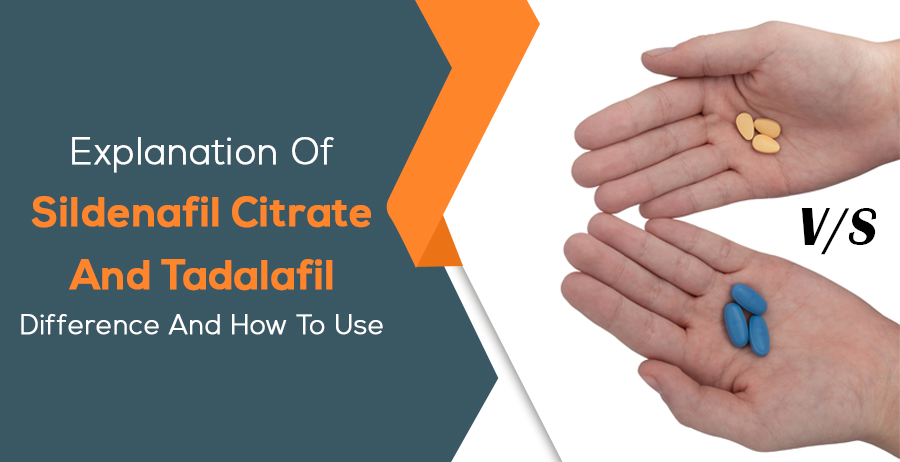
Common prescription options include sildenafil, tadalafil, vardenafil, and avanafil. Although they work through a similar mechanism, they differ in how quickly they begin working, how long their effects may last, and how they fit into an individual’s lifestyle.
ED Medication Comparison
| Medication | Key Feature | Typical Consideration |
| Sildenafil | Well-established option | Often taken before planned sexual activity |
| Tadalafil | Longer duration of action | May suit greater spontaneity |
| Vardenafil | Similar class to sildenafil | Individual response and tolerability vary |
| Avanafil | Faster onset for some users | May be an option for those seeking quicker action |
A qualified healthcare professional should determine medication choice, dosage, and suitability.
How to Choose the Right ED Medication
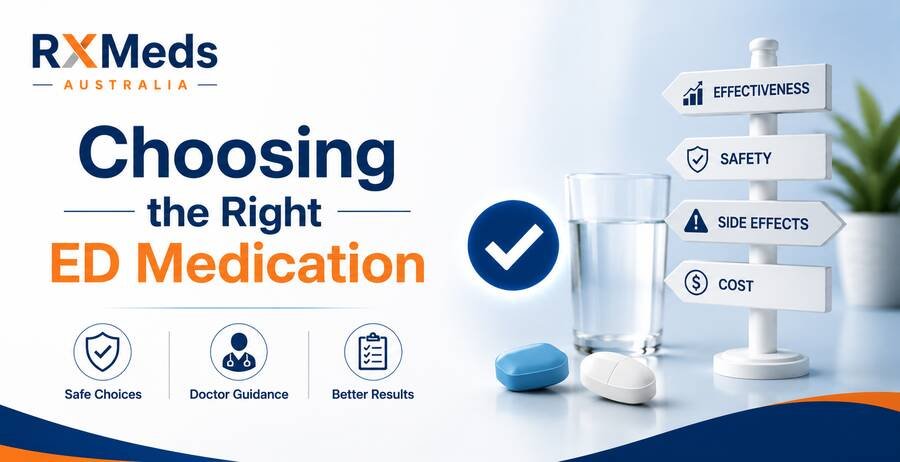
The best ED treatment depends on your medical history and lifestyle. Options include prescription PDE5 inhibitors such as sildenafil and tadalafil, as well as sildenafil-based products like Kamagra Oral Jelly. The right choice depends on your individual needs, health, and potential drug interactions.
1. Consider How Often You Have Sex
- Your sexual activity pattern can influence treatment selection.
- Some men prefer an ED medication taken only when sexual activity is anticipated.
- Others may benefit from a longer-acting option that provides a wider window for sexual activity.
- For men who value spontaneity, a longer-acting medication may be considered.
- Those who have less frequent or more predictable sexual activity may prefer an on-demand approach.
2. Think About How Quickly You Need It to Work
- Different ED medications have different onset profiles. Some are generally taken well before sexual activity, while others may begin working sooner.
- This is an important consideration when choosing an ED pill, but timing can also be affected by factors such as food, individual metabolism, and overall health. Always follow the instructions provided by your prescriber.
3. Review Your Current Medications
- Medication interactions are a critical part of choosing ED medication.
- Certain drugs can create serious health risks when combined with PDE5 inhibitors.
- In particular, PDE5 inhibitors should not be used with nitrate medications, which are commonly prescribed for certain heart conditions, because the combination can cause a dangerous drop in blood pressure.
- Tell your healthcare provider about all prescription medicines, over-the-counter products, and supplements you take before starting an ED treatment.
4. Consider Side Effects
- Common side effects of PDE5 inhibitors may include headache, flushing, indigestion, nasal congestion, dizziness, and visual changes, depending on the medication.
- Side effects differ between individuals. If one ED medicine causes unwanted effects, a healthcare professional may recommend adjusting the dose or considering another treatment option.
5. Evaluate Your Cardiovascular Health
- Because sexual activity and erectile function are closely connected to cardiovascular health, men with heart disease, uncontrolled blood pressure, or other significant medical conditions should discuss ED treatment with their healthcare provider.
- In some cases, erectile dysfunction can be an early indicator of underlying vascular disease. Treating contributing conditions such as diabetes, high blood pressure, obesity, or high cholesterol may improve overall health and erectile function.
Oral ED Medications: What Are the Differences?
The table below provides a simplified overview of commonly prescribed PDE5 inhibitors.
| Factor | Shorter-Acting Options | Longer-Acting Options |
| Planning | Often suited to planned activity | May allow greater spontaneity |
| Timing | Usually taken before sex | Longer therapeutic window |
| Lifestyle | May fit occasional use | May suit more frequent activity |
| Individual response | Varies | Varies |
The right choice depends on the individual’s medical profile and treatment goals rather than simply the duration of action.
What If ED Medication Does Not Work?
- Not every man responds to the first medication or dosage. That does not necessarily mean ED treatment will not work.
- Possible reasons include incorrect timing, insufficient sexual stimulation, medication interactions, underlying health conditions, or unrealistic expectations.
- A healthcare professional may reassess the diagnosis, review medication use, adjust the treatment plan, or explore other options.
- Other erectile dysfunction treatments may include vacuum erection devices, injectable therapies, intraurethral medication, counseling, lifestyle interventions, or penile implants in selected cases.
- Lifestyle changes can also support sexual health. Regular physical activity, maintaining a healthy weight, limiting alcohol, avoiding tobacco, managing stress, and controlling conditions such as diabetes and hypertension may contribute to better erectile function.
ED Medication and Lifestyle: A Combined Approach
- Medication is only one component of comprehensive ED management. Erectile dysfunction can have physical, psychological, or mixed causes.
- For example, anxiety, relationship difficulties, depression, and chronic stress can contribute to sexual performance problems. In these situations, counseling or sex therapy may complement medical treatment.
- A healthcare professional may also investigate underlying causes through medical history, physical examination, and appropriate laboratory testing.
Safety: When Should You Avoid ED Medication?
- Do not take prescription ED medication without medical guidance, particularly if you have cardiovascular disease or take medications that may interact with PDE5 inhibitors.
- Seek urgent medical attention for an erection lasting more than four hours, sudden vision or hearing changes, or severe symptoms following medication use.
- Buying ED medication from unverified websites can also be risky. Counterfeit products may contain incorrect ingredients or unpredictable doses. Use legitimate pharmacies and obtain medication through appropriate medical channels.
Frequently Asked Questions
1. What is the best ED medication?
There is no single best ED medication for everyone. The appropriate choice depends on medical history, medications, lifestyle, treatment goals, and individual response.
2. How do ED medications work?
Most oral ED medications are PDE5 inhibitors. They improve blood flow to the penis during sexual stimulation, helping support an erection.
3. Is tadalafil better than sildenafil?
Neither is universally better. Tadalafil generally offers a longer window of effectiveness, while sildenafil is a well-established option for planned sexual activity.
4. How long does ED medication last?
Duration varies by medication. Some options have a shorter effective window, while tadalafil is known for a longer duration of action.
5. Can I take ED medication every day?
Some ED medications may be prescribed in a daily low-dose regimen for appropriate patients. This should only be done under medical supervision.
6. Can ED medication be taken with heart medicine?
It depends on the medication. PDE5 inhibitors can be dangerous when combined with nitrate medicines. Always provide your complete medication list to your healthcare provider.
7. Does ED medication increase sexual desire?
ED medication primarily helps with the physical ability to achieve an erection. It does not necessarily increase sexual desire or treat low libido.
8. Why is my ED medication not working?
Possible reasons include incorrect timing, inadequate stimulation, medication interactions, underlying health problems, or the need for treatment adjustment. Speak with your healthcare provider before changing your dose.
9. Can lifestyle changes improve erectile dysfunction?
Yes. Exercise, weight management, smoking cessation, reduced alcohol consumption, stress management, and control of conditions such as diabetes and high blood pressure may support erectile health.
10. Is it safe to buy ED pills online?
Only use reputable, legitimate pharmacies and appropriate medical channels. Unverified sources may sell counterfeit or unsafe products.
Conclusion
Choosing the right ED medication is a personalized decision that should consider effectiveness, timing, duration, side effects, existing health conditions, and potential drug interactions. Common PDE5 inhibitors such as sildenafil, tadalafil, vardenafil, and avanafil can be effective options for many men, but the safest choice depends on individual circumstances.
For the best results, discuss your symptoms and medical history with a qualified healthcare professional. A comprehensive approach that combines appropriate erectile dysfunction treatment with healthy lifestyle habits and management of underlying conditions can provide a stronger foundation for long-term sexual and cardiovascular health.